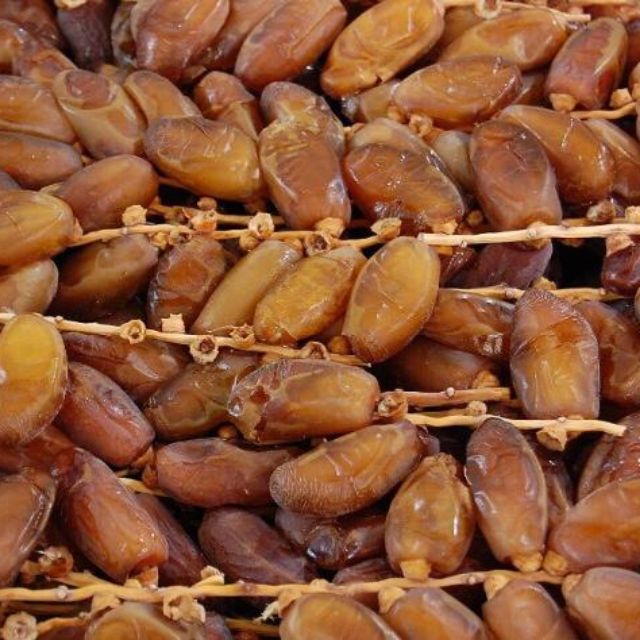
Kurma Tunisia, the prized dates from Tunisia, are more than just a fruit—they are a symbol of tradition, resilience, and culinary excellence. Known for their unique flavor, soft texture, and nutritional benefits, these dates have been cherished for centuries. This article covers the history, cultivation, and global significance of Kurma Tunisia, offering a comprehensive look at why they are a treasured part of Tunisian culture and a sought-after delicacy worldwide.
Introduction
Kurma Tunisia dates are a hallmark of Tunisian agriculture, celebrated for their rich taste and versatility. Grown in the lush oases of Tunisia, these dates are a staple in local cuisine and a key export product. Their significance extends beyond the culinary world, as they are deeply rooted in Tunisian culture and history.
A history etched in time
The story of Kurma Tunisia dates back thousands of years, intertwined with the history of Tunisia itself. Dates have been cultivated in the region since ancient times, thriving in the arid climate and becoming a vital part of the local diet.
Tunisia’s strategic location along ancient trade routes allowed its dates to reach distant markets, earning them a reputation for quality and flavor. Over time, the kurma became a symbol of hospitality and prosperity, often served to guests and used in festive celebrations.
The oasis of life: cultivation and growth
The cultivation of Tunisia dates is a testament to the ingenuity and resilience of Tunisian farmers. Date palms thrive in the country’s oases, where they are nurtured with care and precision.
- Growing conditions: date palms require hot, dry climates and ample sunlight, making Tunisia’s desert oases ideal for their growth.
- Cultivation techniques: farmers use traditional methods, such as hand-pollination and careful irrigation, to ensure high-quality yields.
- Varieties: Tunisia is home to several date varieties, including the popular Deglet Nour, known for its translucent color and honey-like sweetness.
Despite challenges like water scarcity and pests, Tunisian farmers continue to produce some of the world’s finest dates.
From palm to palate: harvesting and processing
The journey of Tunisia dates from palm to palate is a meticulous process that ensures their exceptional quality.
- Harvesting: dates are hand-picked at peak ripeness to preserve their flavor and texture.
- Curing and processing: after harvesting, the dates undergo curing to enhance their sweetness and shelf life.
- Quality control: strict measures are in place to ensure that only the best dates reach consumers, from sorting to packaging.
A culinary treasure: uses in Tunisian cuisine
They are a versatile ingredient in Tunisian cuisine, used in both sweet and savory dishes.
- Traditional recipes: dates are often stuffed with nuts or marzipan, served with tea, or used in desserts like maamoul (date-filled cookies).
- Savory dishes: they add a touch of sweetness to tagines, salads, and grain dishes.
- Modern creations: chefs are incorporating them into recipes ranging from smoothies to gourmet desserts.
Their natural sweetness and soft texture make them a beloved ingredient in countless dishes.
Nutritional profile
Kurma Tunisia dates are not only delicious but also carry a useful nutrient profile.
- Fiber: supports digestion.
- Potassium: an essential mineral.
- Magnesium: supports normal muscle function.
- Antioxidants: help offset oxidative stress in the body.
This nutrient profile makes them a useful, energizing snack.
Beyond the dates: byproducts and sustainability
The date palm is a sustainable crop, with every part of the tree utilised to minimize waste.
- Palm fronds: used for weaving baskets, mats, and roofing materials.
- Date pits: ground into flour or used as animal feed.
- Sustainable practices: farmers are adopting eco-friendly methods, such as water conservation and organic farming, to protect the environment.
These practices help keep date cultivation sustainable for future generations.
Kurma Tunisia on the global stage
They have gained international acclaim, with growing demand in markets around the world.
- Export market: Tunisia is a leading exporter of dates, with this kurma being a top choice for consumers.
- Global appeal: their unique flavor and quality have made them a favorite in Europe, North America, and beyond.
- Challenges: maintaining quality and competitiveness in a global market requires continuous innovation and adherence to high standards.
The future
The future of Kurma Tunisia cultivation looks steady, with ongoing research and innovation driving the industry forward.
- Research initiatives: growers are developing new varieties and improving cultivation techniques to lift yield and quality.
- Climate change: farmers are adapting to changing environmental conditions by implementing sustainable practices.
- Innovation: advances in processing and packaging are helping to meet the demands of a global market.
Conclusion
Kurma Tunisia dates are more than just a fruit—they are a cultural icon and a marker of Tunisia’s agricultural heritage. From their historical roots to their modern-day global appeal, these dates carry the resilience and craft of Tunisian farmers.
Whether you’re buying for the flavor or the story behind it, Kurma Tunisia is worth trying. If you’re comparing sources, our supplier selection guide and dates supplier guide cover what to look for when buying in Malaysia.