In Malaysia’s expanding date market, a wide range of premium varieties are available, each with its own characteristics. Among these, kurma Mabroom Malaysia has earned a reputation for standing out in terms of flavor and texture. Both wholesalers and retailers value its appeal because it offers consumers a distinctive experience that goes beyond ordinary varieties, making it a favorite during festive seasons and health-conscious lifestyles.
The Growing Demand for Premium Dates
As more consumers shift toward healthier snacks, demand for high-quality dates continues to grow. Wholesalers and retailers who supply superior varieties enjoy higher levels of trust and loyalty. For ordinary buyers, premium dates are no longer limited to special occasions; they are becoming part of daily diets. In this environment, certain types have developed reputations for excellence, and Mabroom belongs in this category.
How Mabroom Compares to Other Premium Dates
To understand what sets this variety apart, it helps to compare it with other popular options available in the market.
Texture Differences
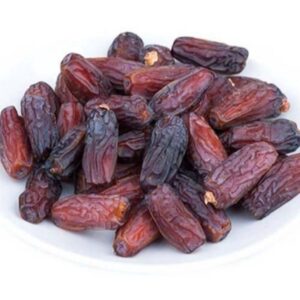
One of the defining qualities of Mabroom is its firm yet smooth bite. Unlike softer varieties, it does not feel overly sticky, making it more convenient to handle and consume. The firmness provides a satisfying chew, while still maintaining natural moisture inside. For buyers, this balance between firmness and tenderness makes it versatile for both casual snacking and gifting.
Taste Distinction
Mabroom carries a unique flavor profile that is mildly sweet with subtle caramel-like notes. Compared to other varieties that may be intensely sugary, this balanced sweetness appeals to a wide audience. Consumers who prefer a less overwhelming taste often gravitate toward Mabroom, appreciating its ability to deliver natural richness without excess sugariness.
Appearance and Color
Visual appeal is also a factor in consumer choice. Mabroom typically has a reddish-brown hue with elongated shape, giving it a premium and elegant look. Its consistent size and uniform appearance make it attractive for retailers who want to present a polished product on shelves.
Why Consumers Prefer Mabroom
Retailers and wholesalers recognize that buyers look for more than just sweetness. Preferences are often tied to lifestyle and health factors.

Health Appeal
Mabroom is rich in essential nutrients such as fiber, minerals, and natural sugars. The moderate sweetness makes it suitable for individuals who want to enjoy dates without consuming excessive sugar. This feature makes it particularly appealing to health-conscious buyers.
Convenience and Versatility
Because Mabroom maintains its form better than softer dates, it travels well and stores effectively. This reliability is highly valued in bulk distribution. Retailers find that stock remains visually appealing longer, reducing wastage and maintaining consumer satisfaction.
Special Occasion Popularity
During festive periods, many households prefer varieties that combine elegance with taste. Mabroom’s appearance, texture, and mild sweetness make it an ideal choice for family gatherings, events, and gifting. This trend increases its demand among wholesalers and retailers looking to meet seasonal surges.
The Role of Supply and Distribution
Beyond its natural characteristics, the availability and handling of Mabroom contribute to its market reputation.
Import and Supply Chain Factors
Since Malaysia sources many of its dates from international regions, Mabroom’s quality can be influenced by harvest conditions and supply chain practices. Proper handling during shipping and storage ensures that the texture and flavor remain intact when reaching consumers.
Storage and Preservation
Unlike some varieties that quickly lose freshness, Mabroom retains its quality for longer periods if stored properly. Retailers and wholesalers benefit from this trait, as it reduces the risk of spoilage and provides greater flexibility in distribution.
Bulk Demand Management
Meeting bulk demand while maintaining consistent quality is always a challenge. However, Mabroom’s ability to hold its form and flavor gives it an advantage in large-scale distribution. Sellers can confidently supply larger orders without worrying about rapid deterioration.
Comparative Advantages for Sellers
Understanding what sets Mabroom apart is not just useful for consumers but also critical for businesses.
Market Differentiation
In a competitive marketplace, wholesalers and retailers need products that stand out. By offering Mabroom, sellers provide buyers with a distinctive option that is both premium and practical. This helps build long-term relationships and customer loyalty.
Pricing Considerations
Premium products often come with higher prices, but buyers are willing to pay more for quality and uniqueness. Mabroom commands respectable pricing in the market because its qualities justify the cost, making it profitable for sellers while delivering value to consumers.
Versatility in Marketing
The unique balance of taste and texture makes Mabroom easy to market to different audiences. It appeals to health-conscious buyers, festive shoppers, and everyday consumers alike. Sellers can highlight its multiple uses and benefits to broaden its market reach.
Future Prospects of Mabroom in Malaysia
Looking forward, demand for high-quality dates is likely to continue rising. Consumers are becoming more selective, and varieties that deliver consistent taste, texture, and nutritional value will maintain strong positions in the market. With its unique characteristics, Mabroom is well-placed to remain a key choice for both sellers and buyers in Malaysia.
Conclusion
Kurma Mabroom Malaysia stands apart from other premium varieties due to its distinctive texture, balanced taste, and elegant appearance. Wholesalers, retailers, and everyday buyers value its reliability in quality and its broad appeal. Its ability to satisfy both health-conscious individuals and festive buyers ensures its continued popularity in the market.