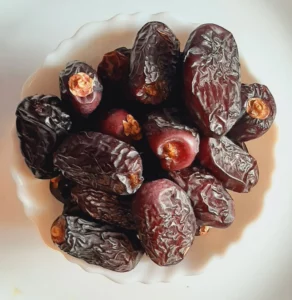
Have you ever wondered how dates achieve their famously long shelf life? Unlike most fruits that begin to rot shortly after ripening, dates undergo a remarkable natural transformation right on the palm tree. This isn’t luck; it’s sophisticated plant science. The secret lies in a specific biochemical process that essentially turns the date palm into a natural dehydration factory. Understanding this process reveals why dates are a marvel of nature and a reliable product for a dates supplier in Malaysia and consumers worldwide.
The journey of a date from a watery berry to a chewy, sugary delight is a story of water, sugar, and clever biological design.
The Starting Point: A Ripening Date
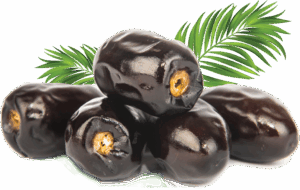
To understand the preservation, we must first look at the fruit’s life cycle. A date fruit progresses through four distinct stages of maturity:
Kimri Stage
This is the initial phase. The fruit is green, hard, and has very high moisture content—often up to 85%. It’s crunchy and extremely astringent, not yet the sweet fruit we know.
Khalal Stage
The date begins to plump up and change color to yellow, red, or a vibrant shade depending on the variety. The sugar content rises, but the moisture level is still very high (around 50-65%). At this stage, some varieties are sold as crunchy fruits in certain regions.
Rutab Stage
This is the turning point. The fruit starts to soften at the tip, becoming half-ripe. The color darkens to a light brown, and the sugar concentration increases significantly as some of the water inside begins to evaporate. The biochemical magic is now in full swing.
Tamar Stage
This is the final, fully ripe stage. The fruit is soft, dark brown, and has achieved its characteristic low moisture content and high sugar level. This is the stage where the fruit is most commonly harvested for commercial drying and consumption.
The Star of the Show: The Biochemical Process of Natural Dehydration
The transition from Rutab to Tamar is where the key preservation happens. It’s a process driven by two primary factors: environmental conditions and the fruit’s own internal composition.
1. The Power of Sugar: Osmotic Pressure
As the date ripens, enzymes within the fruit break down complex carbohydrates into simple sugars, primarily glucose and fructose. The concentration of these sugars becomes incredibly high inside the fruit’s cells. This creates a powerful osmotic gradient. In simple terms, water naturally moves from an area of low solute concentration (inside the fruit’s flesh) to an area of high solute concentration (the sugary syrup now saturating the fruit). This internal pull forces water to the surface of the date where it can evaporate. The date is essentially pulling water out of itself.
2. The Role of the Environment
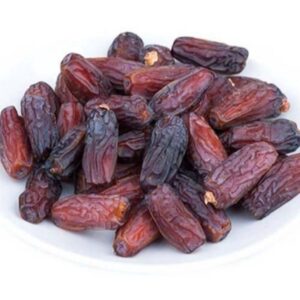
The date palm (Phoenix dactylifera) is perfectly adapted to arid, hot climates. The intense sun and dry, desert wind provide the ideal conditions for the water pushed to the surface to evaporate quickly. The tree acts as a natural solar dehydrator. The thick skin of the date, which develops as it matures, helps to protect the sugary interior from pests and microbes once the water activity is low, but it’s still permeable enough to allow water vapor to escape.
3. Water Activity: The Key to Preservation
The ultimate goal of this process is to reduce the fruit’s “water activity” (aw). Water activity, not just water content, is what determines whether microorganisms like bacteria, yeast, and mold can grow. Fresh fruits have a high water activity (>0.90), making them highly perishable. The natural dehydration of dates on the tree lowers their water activity to below 0.65. At this level, it’s nearly impossible for most spoilage-causing microbes to survive. The environment is just too hostile—there’s no free water for them to use. The high sugar content further immobilizes any remaining water molecules, locking them away.

From Tree to Table: Implications for Suppliers and Consumers
This natural process is a huge advantage for the kurma wholesale market and retailers. It means less artificial processing is required. Dates are often harvested at the Tamar stage and require only minimal cleaning, sorting, and packaging. They are a truly stable food product, reducing food waste and simplifying the supply chain. For ordinary people, this translates to a healthy, natural sweetener that can be stored for months, even up to a year, in a cool, dry place without losing its quality or safety. This incredible shelf life is a direct gift from the tree itself.
Conclusion:
The long shelf life of dates is not an accident. It is the result of a perfect synergy between a fruit’s biochemical evolution and its harsh native environment. Through a powerful combination of escalating sugar content creating osmotic pressure and ideal external conditions for evaporation, the date successfully self-preserves. This process drastically reduces its water activity, creating a environment where spoilage microbes cannot thrive. It’s a brilliant survival strategy for the species and a boon for everyone from a global dates supplier in Malaysia to a health-conscious consumer looking for a nutritious, long-lasting staple food.